Skip the Fridge Magnet: Five Souvenirs Danes Would Rather Bring Home

Photo: Lauren Gardenbelle Fritts, CC BY-SA 2.0, via Wikimedia Commons
There is a particular kind of shop that exists in every British seaside town, and it sells three things: rock, postcards, and objects designed to prove you went somewhere. The fridge magnet. The novelty mug. The snow globe with the wonky landmark inside. The tea towel that says 'I ❤️ Whitby' and will spend the next decade at the back of a drawer.
I say this as someone with a drawer full of the stuff. But the more time I spend travelling with Danish friends, the more I notice they come home with almost nothing — and somehow bring back more.
The clutter tax
A £3 magnet doesn't feel like a decision. But it is one, and you keep paying for it: in shelf space, in moving boxes, in the small guilt of seeing it and thinking 'why did I buy that?'. The average British home is not short of things. The loft is full. The charity shop bag is overflowing. The car boot sale is a national institution for a reason.
Danes aren't immune to shopping. Copenhagen has excellent shops and the Danes use them. But there's a quiet filter at work when they travel: will this get used, will it get eaten, or will it get remembered? If it's none of those, it doesn't come home.
That's the whole philosophy. It isn't asceticism. It's just a refusal to pay twice for the same memory — once in the shop, and again every time you have to dust it.
The five swaps
1. The fridge magnet → something you'll cook with
A jar of smoked salt from Bornholm. A pot of local honey. A mustard you'll actually put on a sandwich. A bottle of olive oil from a market in Greece, decanted into a smaller bottle for the flight.
The point is that the souvenir gets used up. You bring the trip into a Tuesday night dinner in Manchester, and then — this is the good bit — it's gone. No shelf, no dust, no guilt. Just a nice memory attached to a very good roast potato.
2. The novelty mug → the mug you'd actually reach for
If you genuinely need a mug, buy a good one. A proper piece of pottery from a local maker, with a handle that fits your hand, will outlive every 'I was there' mug in the cupboard.
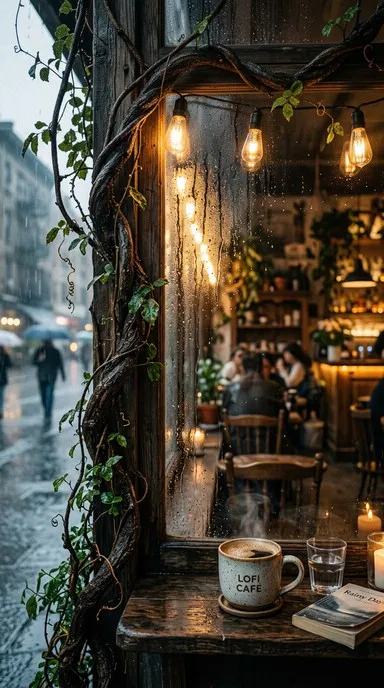
If you don't need a mug — and you don't — photograph the coffee instead. The photo takes up no space and you'll look at it more often than you'd think.
The test: would I use this on a rainy Tuesday in February, at home, with no one to impress? If the answer is no, leave it on the shelf.
3. The shot glass or snow globe → a bottle to share
Buy a bottle of something local and drink it with people you love. Tell them where it came from. Then recycle the bottle.
This is the most Danish swap on the list, because it turns a purchase into an evening. The bottle leaves the house empty, which is exactly the point. You're not collecting objects; you're collecting reasons to sit around a table.
4. The 'I was there' T-shirt → one thing replaced, not added
Here's a rule that has saved me a lot of luggage: one in, one out. Bring the worn-out thing with you — the holey socks, the tired T-shirt, the dying trainers — and buy its replacement on the trip.
You come home with the same number of things you left with, and every one of them earns its place. Merino socks, a linen shirt, a decent kitchen knife, a pair of boots you'll wear for a decade. The souvenir isn't a souvenir. It's an upgrade.
5. The gift-shop haul → an experience you can repeat
A cooking class where you learn the one dish you'll make at home for years. A swim spot you'll look up on a map every winter. A walk, a phrase, a recipe scribbled on the back of a receipt.
Or, if you want something to hand to someone: a small consumable for the person who fed your cat. A bag of coffee. A bar of chocolate. A bottle of something. Gifts that get used are gifts that get remembered.
The hand-luggage test
Everything you bring home has to fit in the bag you brought. That's it. If it doesn't fit, it's not a souvenir, it's a relocation.
I also use a small trick: photograph the thing you almost bought. If you still want it a week after you get home, you can probably find it online — and if you can't remember it, you've saved yourself a fiver and a square of shelf space.
Bring back a habit instead
The Danes aren't anti-shopping. They're pro-use. They'd rather spend £15 on a meal they'll talk about than £15 on a mug they'll forget, and honestly, they're right.
So next time you're standing in a gift shop with a fridge magnet in your hand, ask yourself the question. Will it get used, eaten, or remembered? If not, put it down, take a photo, and go and find a bakery instead.
That's the souvenir I'd bring home every time.