Alone on the Road, Never on Your Own: The Danish Approach to Solo Travel That Brits Haven't Tried Yet
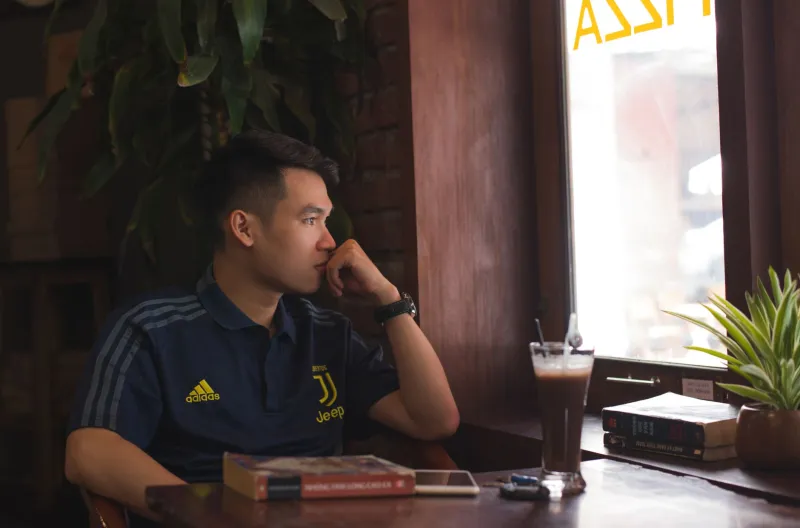
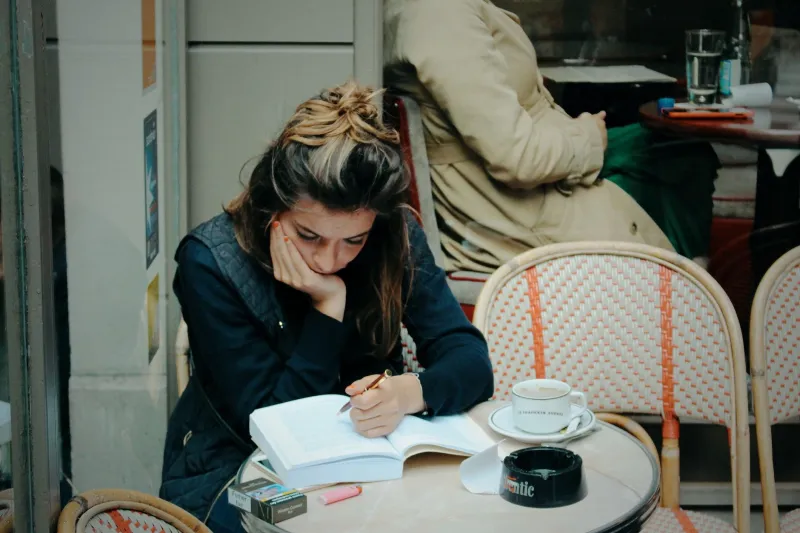
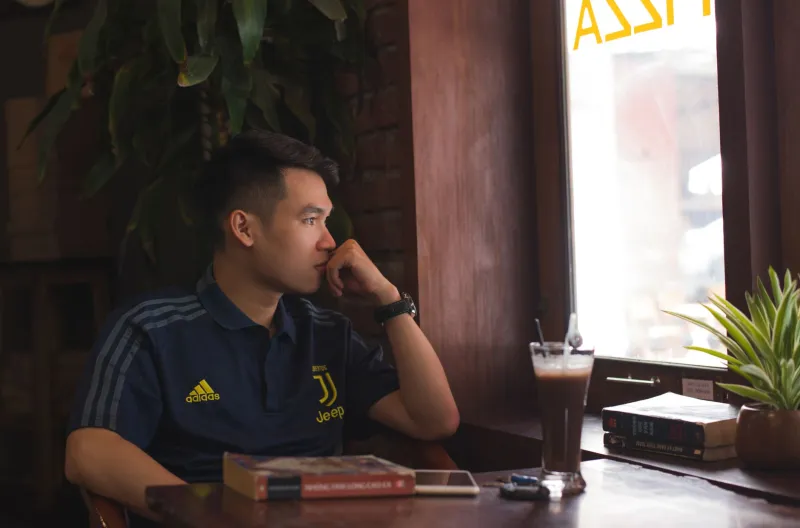
There's a particular kind of loneliness that descends around day three of a solo trip. You've done the solo dinner, you've made awkward small talk at the hostel, you've posted the Instagram photo with the caption that makes it look effortless. But inside? You're wondering whether you should've just gone with your mates after all.
Sound familiar? You're not alone — which is ironic, given the situation.
For a lot of British travellers, solo travel sits uncomfortably between two extremes: the romanticised ideal of rugged independence and the quiet, gnawing reality of eating pad thai by yourself for the fourth night running. We either travel in packs or we suffer through the solitude and call it character-building.
Danish nomads, on the other hand, seem to have found a third way entirely.
It's Not About Being Alone — It's About Choosing Solitude
The distinction sounds subtle, but it changes everything. In Danish culture, there's a long-standing comfort with solitude that doesn't carry the stigma it often does in British social life. Being alone isn't a sign that something's gone wrong. It's frequently a deliberate, valued state — something you move in and out of fluidly, rather than something to escape.
This shows up in how Danish nomads actually structure their travel. They'll take a solo trip not because they couldn't find someone to come along, but because they actively wanted the particular quality of attention that solo travel provides. The slower pace. The freedom to change plans mid-morning. The way a place opens up differently when you're not managing someone else's energy alongside your own.
But — and this is the bit Brits often miss — they're not cutting themselves off from people while they do it.
The Art of Intentional Connection
Here's something worth sitting with: Danish culture places enormous value on quality of connection over quantity of contact. The idea isn't to be surrounded by people constantly, but to invest deeply in a smaller number of genuinely meaningful relationships — and to maintain those relationships with real intention, even across time zones.
In practice, this means a Danish nomad working remotely from Lisbon or Chiang Mai isn't just passively hoping their friendships back home survive the distance. They're scheduling proper catch-ups — not a flurry of voice notes, but actual conversations. They're sending postcards. They're being present in the relationships they care about, even while being physically absent.
This is a form of social discipline that doesn't come naturally to British culture, where friendship often runs on proximity and shared routine. When the routine disappears — when you're not bumping into your mate at the pub or the office — the friendship can quietly dissolve. Danish nomads tend to be more proactive about preventing that drift.
Comfortable in the Quiet
Another piece of the puzzle: Danes are, broadly speaking, more comfortable with silence than most Brits. In the UK, silence between strangers — or even between friends — can feel awkward, something to be filled quickly. In Danish social culture, silence is less loaded. It's not a failure of conversation; it's just a moment of rest.
For solo travellers, this matters enormously. A lot of the loneliness that creeps in on the road isn't really about the absence of people — it's about the discomfort of being alone with your own thoughts, with no noise to drown them out. If you've never really practised sitting quietly with yourself, a solo trip can feel confronting in ways that have nothing to do with travel at all.
Danish nomads tend to have more experience with that interior quiet. Evenings alone don't need to be filled. A long train journey without a podcast is fine. The absence of constant stimulation isn't a problem to solve — it's part of the texture of the trip.
Building Community Without Clinging to It
There's also a particular skill Danish travellers seem to have around building temporary community — the kind that forms naturally in co-working spaces, slow travel neighbourhoods, and long-stay guesthouses — without becoming dependent on it.
They'll join the communal dinner at the coliving space. They'll get to know the locals at the neighbourhood café. They'll say yes to an invitation for a day trip with someone they met yesterday. But they don't need these connections to sustain them. They're additions to an already full interior life, not substitutes for one.
For Brits who travel solo and find themselves either aggressively socialising to compensate for the loneliness, or retreating entirely and feeling isolated, this middle path can feel almost revolutionary. You can be warm and open without being needy. You can enjoy company without requiring it.
What British Solo Travellers Can Actually Do Differently
None of this requires a personality transplant. It's more about shifting a few habits and assumptions.
Invest in your friendships before you leave. Tell the people who matter to you that you want to stay genuinely connected — not just a stream of travel photos, but real check-ins. Schedule them. Make it mutual.
Practice being alone at home first. Take yourself out to dinner. Spend a Saturday without plans. Get comfortable in your own company before you ask a foreign city to do that work for you.
Let temporary connections be exactly that. The person you meet on the overnight train doesn't need to become your best friend. Enjoy the conversation for what it is. Let it end naturally. You'll meet someone else.
Stop filling the silence. Put the podcast away sometimes. Let the long afternoon be long. Some of the best travel experiences happen in the gaps between activities — but only if you're actually present for them.
Reframe what 'alone' means. Alone isn't the opposite of connected. You can be surrounded by people and feel utterly disconnected. You can be sitting by yourself on a hillside and feel entirely at home in the world. The Danish nomad knows the difference — and chooses accordingly.
The Real Freedom of Travelling Solo, Done Right
Solo travel done the Danish way isn't about proving something — to yourself, to your Instagram followers, to the people who thought you were mad for going alone. It's quieter than that. More honest.
It's the freedom to move through a place at exactly your own pace, to follow curiosity without committee, to be genuinely present because there's no one else's experience to manage alongside yours. And it's the security of knowing that the people you love are still there, properly there, even when they're thousands of miles away.
That combination — real solitude and real connection, held at the same time — is what Danish nomads have quietly figured out. And honestly? It's worth borrowing.